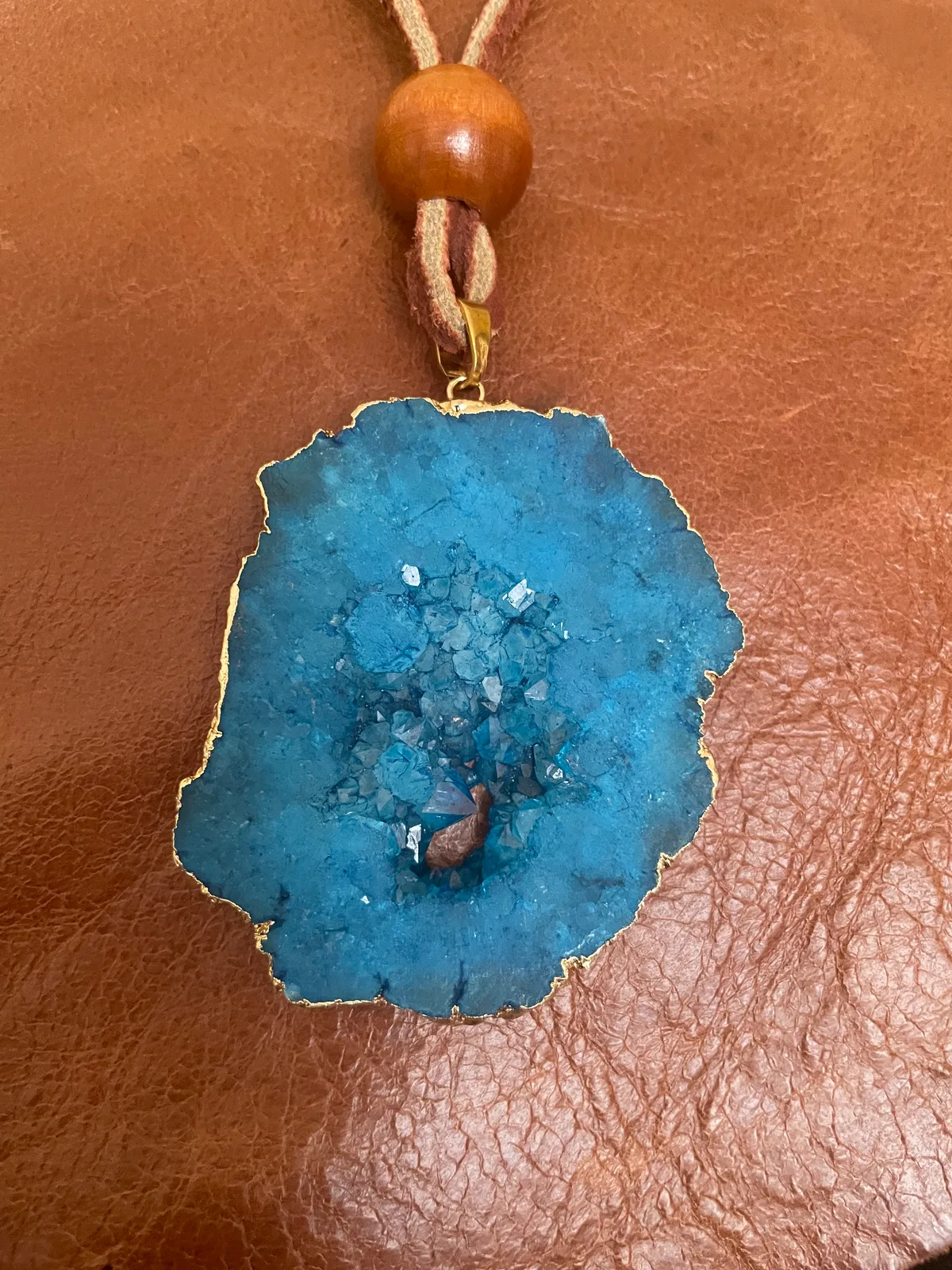
Agate is one of those stones that keeps surprising you. Every type looks completely different from the next, even though they're all technically the same mineral. If you're curious about what makes each agate variety special, you've landed in the right place. Let's break down the main types of agate so you can understand what you're looking at when you see these stones in jewelry.
What Are the Main Types of Agate?
Agate is a form of quartz that shows up in tons of color and pattern combinations. The types of agate are usually sorted by their visual characteristics, not by their chemical makeup, because that's what actually matters when you're wearing or choosing one. Think of it like this: the stone's appearance is what tells its story.
Here are the major categories you'll encounter:
- Banded Agate - The classic look with concentric rings or stripes running through it.
- Blue Lace Agate - Soft blue with delicate, lacy white patterns.
- Moss Agate - Clear or milky with green, plant-like formations inside.
- Dendritic Agate - Features tree-like or fern-like inclusions.
- Flower Agate - Shows petal-shaped patterns that look almost botanical.
- Sagenite Agate - Known for needle-like crystal formations cutting through it.
- Fortification Agate - Named for those fortress-like concentric patterns (basically the fancy name for tightly-banded agate).
- Fairburn Agate - A recognized variety with its own distinct characteristics.
Banded Agate: The Striped Classic
Banded agate is probably what you picture when you think "agate." It has those unmistakable rings or bands of color running through it, kind of like tree rings. You'll see layers of cream, gray, brown, red, or blue stacked on top of each other.
The banding happens naturally as the stone forms over time, with different minerals depositing in layers. This is what makes every single piece unique. No two banded agates look exactly alike, which is why handmade jewelry makers love working with them.
Blue Lace Agate: Soft and Dreamy
Blue lace agate is probably the most delicate-looking type. It's usually a pale, soft blue with white lacy patterns running through it. The lace-like appearance comes from tiny bands and patterns that create an almost fabric-like look.
This variety is rarer and more expensive than other types because the color and pattern combo is harder to find. If you see a blue lace agate pendant or bead, you're looking at something that took a long time to form and is genuinely eye-catching.
Moss Agate and Dendritic Agate: The Nature Lovers
Moss agate and dendritic agate are close cousins. Both have inclusions that look like plants or nature scenes trapped inside the stone.
Moss agate usually has green formations that look like moss or algae. Dendritic agate has branching patterns that look like trees, ferns, or branches. The difference? The exact shape and color of the inclusions. Moss tends toward green; dendritic can be brown, black, or other colors.
Neither stone is actually growing moss or plants inside it. The patterns are mineral inclusions that happened to form in a way that looks botanical. That's what makes them so satisfying to look at.
Flower Agate: The Patterned Beauty
Flower agate lives up to its name. It has formations that genuinely look like flowers or petals blooming inside the stone. The patterns are usually white or light-colored against a deeper base.
This type is less common than banded agate, so it's prized by collectors. The floral formations make each piece feel intentional, even though they're 100% natural.
Sagenite Agate: Needle-Like Drama
Sagenite agate contains needle-like crystals (usually rutile) that cut through the stone in all directions. It looks almost like you're looking at a web or a burst of threads inside the agate.
This type is striking and unusual. If you want something that really stands out, sagenite delivers. The needle formations catch light in interesting ways, which is why it works so well in jewelry.
Fortification Agate: The Detailed Bands
Fortification agate is basically the fancy name for agate with super tight, detailed banding patterns. The bands are so precise and angular that they look like the walls of a fortress when you look at it straight on.
It's still a banded agate, just with more intricate and geometric patterns. If you love detail and symmetry, this is the type for you.
Other Varieties Worth Knowing
Fairburn agate is another recognized type with its own characteristics. There are also agates in almost every color you can imagine: red, yellow, green, white, gray, and combinations of all of these.
Some agates are solid colors, while others have mixed coloring or patterns. The color usually comes from minerals mixed in during formation, and different regions produce different colors. The more you look at agates, the more you realize how varied they can be.
How to Spot Different Types of Agate
The easiest way to identify an agate type is to look closely at its dominant visual feature. Does it have bands? Banded agate. Green plant-like patterns? Moss agate. Blue with lace? Blue lace agate. Needle-like formations? Sagenite.
Pattern is your main clue. Color is secondary. Don't get caught up in trying to memorize every single variety. Just learn to recognize what makes each one visually distinct, and you'll be able to tell them apart.
Agate in Jewelry Design
Agate is perfect for jewelry because it's durable and beautiful in raw or polished form. Many people love raw agate because the natural texture adds character. Others prefer polished agate because it shows off the colors and patterns more clearly.
Both approaches work. It really depends on whether you want something rough and earthy or smooth and refined. Brownhaze Jewelry & Accessories creates handmade pieces with agate in both finishes, so you can choose what speaks to you.
Agate also comes in different sizes and cuts. You might see raw agate chunks, polished tumbled stones, sliced cross-sections, or precision cuts. Each format works differently in jewelry design.
Why Agate Varieties Matter for Collectors
If you're building a personal collection, knowing the types of agate helps you hunt for pieces you actually want. You'll have clearer preferences and won't waste time looking at agates that don't match your taste.
Collectors often focus on one or two types. Some people are obsessed with banded agate in all its forms. Others only want moss or dendritic varieties. Neither is wrong. What matters is understanding what you're drawn to and seeking it out.
Handmade jewelry often features specific agate varieties because artisans choose stones deliberately. When you wear a piece with a particular type of agate, you're wearing a choice, not just whatever was mass-produced. That intention makes the piece feel more connected to you.
Starting Your Agate Journey
You don't need to be an expert to enjoy agate. Start by looking at different types and noticing which ones catch your eye. Hold them if you can. Look at them in different light. Pay attention to what draws you in.
Whether it's the dreamy blue lace, the geometric fortification patterns, or the botanical look of moss agate, your personal preference is what matters. If you're thinking about adding an agate piece to your collection, Brownhaze Jewelry & Accessories works with different agate varieties in handmade designs. Each piece is crafted in small batches, so you're getting something thoughtfully made, not mass-produced.
What's the difference between moss agate and dendritic agate?
Moss agate has green mineral inclusions that look like moss or algae. Dendritic agate has branching, tree-like or fern-like inclusions that can be brown, black, or other colors. Both look botanical, but the exact pattern and color are different. Moss agate specifically tends toward green formations, while dendritic can appear in more color varieties.
Is blue lace agate rare?
Blue lace agate is rarer than standard banded agate, which is why it commands higher prices. The specific combination of soft blue color and delicate lace-like patterns doesn't show up as frequently in nature. If you find a piece, you've found something less common than your typical banded agate.
Can agate be any color?
Agate comes in almost every color: red, blue, green, yellow, white, gray, brown, and combinations. The color depends on minerals present during the stone's formation. Different geographic locations produce different colors, which is why agate from different regions can look totally different.
How do I know which agate type I have?
Look at the dominant visual feature. Bands mean banded agate. Plant-like green formations mean moss agate. Blue with lace patterns mean blue lace agate. Needle-like crystals mean sagenite agate. The visual characteristic that jumps out first is usually your answer. When in doubt, look for what makes it visually distinct from a smooth, solid-colored stone.

Brownhaze Jewelry & Accessories Quick Facts
- Location: Online/Los Angeles, CA