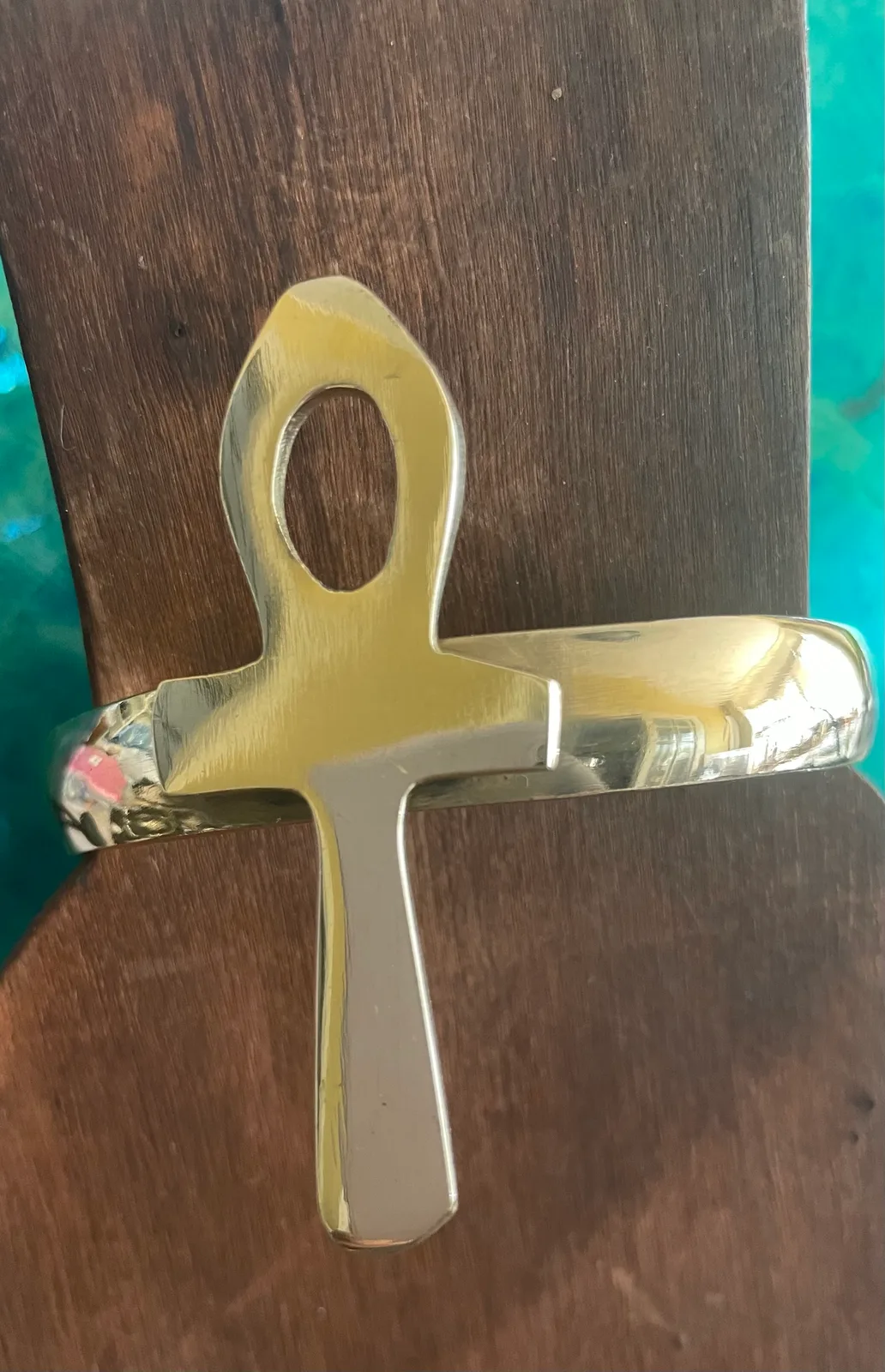
Layering necklaces is one of the easiest ways to go from a simple everyday look to something with real visual impact. But here's the thing: it's not just about throwing a bunch of chains together and hoping for the best. The best layered necklace looks follow some basic rules about length, weight, and balance. Once you understand those rules, you can mix and match pieces with confidence and create a style that feels totally unique to you.
Start With a Base Necklace
Every great layered look needs an anchor. This is your base necklace, the one you'd wear on its own if you were only wearing one piece. It should be something meaningful to you, something that reflects your personal style.
Your base necklace doesn't have to be the longest or the most ornate. It's just the piece you build everything else around. Think of it like the foundation of an outfit. Once you've chosen your anchor, the rest of the layers become much easier to plan.
Use Different Chain Lengths to Avoid Tangling
The single most important rule of necklace layering is this: vary your lengths. When you wear necklaces at different heights on your body, they naturally sit in different spots and don't tangle or bunch up together.
A good rule of thumb is to use at least three different lengths. You might wear a choker or a short 16-inch necklace high on your neck, a mid-length 18 to 20-inch necklace at your collarbone, and a longer 24 to 26-inch necklace closer to your chest.
The exact inches matter less than the principle: each necklace should sit noticeably higher or lower than the ones around it. When pendants and chains occupy different vertical spaces, they don't compete for attention, and they won't get tangled when you move.
Choose One Statement Piece
When you're layering, designate one necklace as your focal point, your statement piece. This is the one that draws the eye first. It might have a larger pendant, a bold texture, or a significant meaning to you.
The rest of your layers should complement that focal point rather than compete with it. If your statement piece is an agate pendant necklace with a strong visual presence, keep your other layers more subtle, with thinner chains or smaller pendants.
Having one clear focal point prevents your look from feeling chaotic or like you're just wearing random pieces. It creates intentionality and visual hierarchy.
Play With Scale and Texture
Mixing different chain weights and thicknesses adds depth and interest to your layered look. A thin delicate chain next to a thicker chain creates visual contrast that catches light differently and keeps your eye moving across the entire composition.
Texture matters too. You might pair a smooth metal chain with a beaded necklace for contrast. The variation in texture makes the whole look feel more dynamic and polished.
The key is intentionality. Don't mix textures randomly; think about how each piece speaks to the others. Does the delicate chain complement the beaded necklace, or does it get lost? Step back and assess the balance.
Match Your Metals Thoughtfully

You can definitely mix metal tones in a layered look, but do it on purpose rather than by accident. The most elegant layered necklaces either stick to a single metal tone (all warm, all cool, all neutral) or combine metals in a deliberate, balanced way.
If you're mixing metals, make sure they're distributed evenly across your layers. You don't want all your warm-toned pieces on top and all your cool-toned pieces on the bottom. Sprinkle them through so the eye moves across the whole look.
Some people love the contrast of mixed metals, while others prefer the cleaner look of staying in one metal family. There's no wrong choice, but whichever route you pick, make it intentional.
Position Your Pendants at Different Heights
If you're layering multiple necklaces with pendants, stagger where the pendants sit. You don't want them all hitting your chest at the same level, because then they'll overlap and compete for space.
A pendant that hits at your collarbone should be paired with pendants that land lower, closer to your heart or below. This vertical staggering is part of what prevents tangling and creates that polished, thought-out look.
When you're trying on a layered look, step in front of a mirror and check the pendant placement from the front and side. Each piece should be visible and distinct from the others.
Build Your Layers Gradually
Don't put on all your necklaces at once and hope it works. Layer them one at a time and assess the look as you go. Put on your base piece. Look in the mirror. How does it feel? Now add your second necklace and check the balance again.
This approach lets you catch problems early. Maybe the second necklace is too similar in length to the first, so they tangle. Or maybe the combined visual weight doesn't feel right. Building gradually gives you the chance to adjust before you're committed to the full look.
It also helps you avoid the common mistake of layering too many pieces at once. Sometimes less is more, and you won't know until you build it step by step.
Consider the Overall Weight and Balance
When you layer multiple necklaces, you're adding weight to your neck and upper chest. Make sure the visual weight feels balanced across your body. If you load all your heavier or ornate pieces on one side of your necklaces, the whole look can feel lopsided.
A heavier beaded necklace or a large pendant should be balanced by another visually interesting piece elsewhere in your layers. Think of it like composing a painting: you want the viewer's eye to move around the whole piece, not get stuck in one spot.
Also pay attention to how the weight feels physically. If you're layering multiple heavy chains, your neck will start to feel it. A mix of lightweight and medium-weight pieces tends to be more comfortable for all-day wear.
Mix Metal Tones and Stone Colors Intentionally
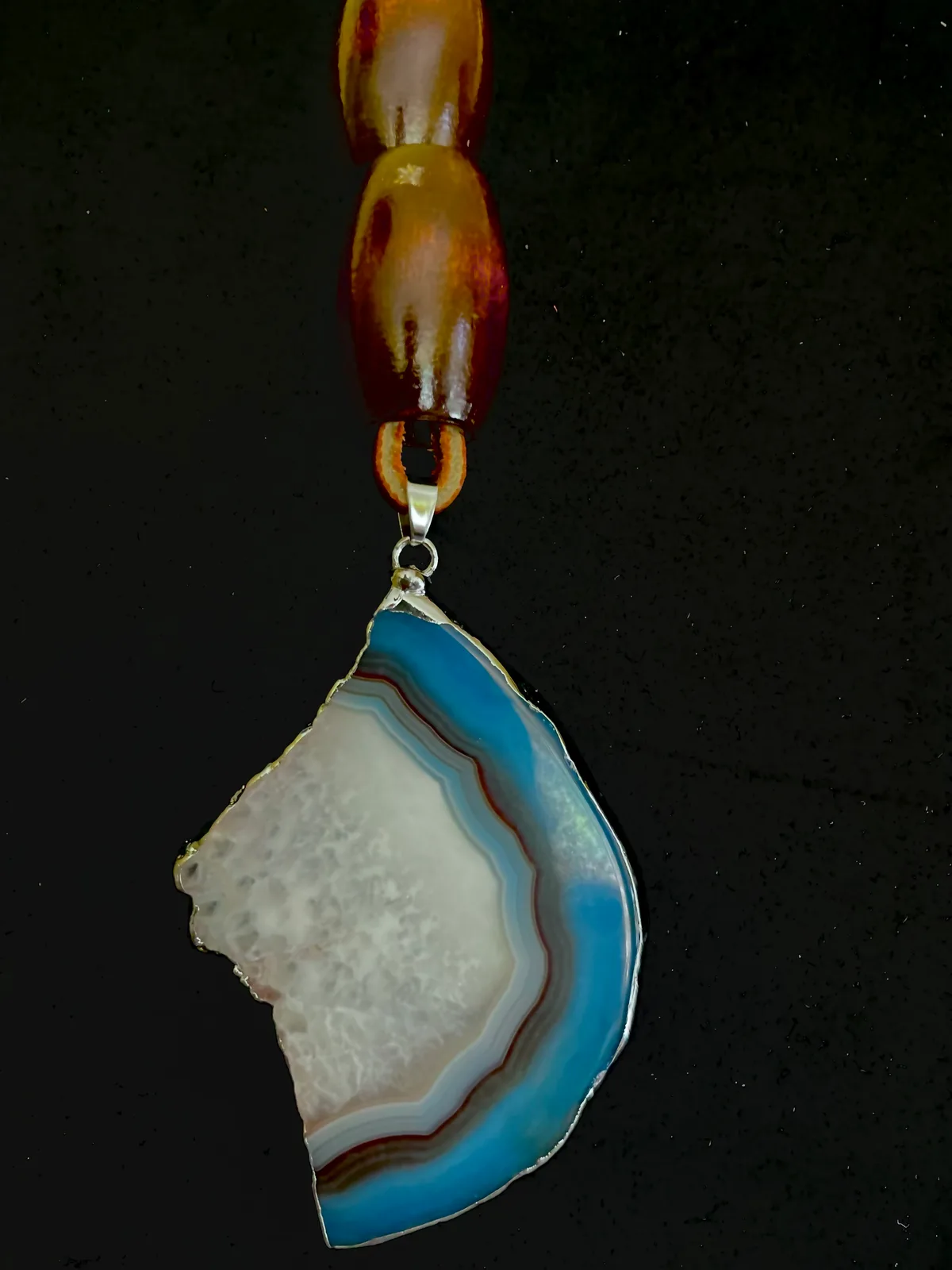
When you're pulling necklaces together, think about how the metals and any stones or beads work as a group. Do the warm and cool tones feel complementary, or do they clash? Do the colors tell a cohesive story?
You don't need perfect color coordination, but the pieces should feel like they belong together, like you chose them as a set even if they weren't originally sold that way. This is where layering becomes personal and artistic.
Natural materials like beaded necklaces with tiger's eye, lava rock, or Mali clay beads tend to work beautifully together because they share earthy tones and organic textures. These pieces often layer effortlessly because they're already designed with nature in mind.
Know When to Stop
Layering necklaces is fun, but there's a point where more stops being better and starts looking cluttered. For most people, two to four necklaces is the sweet spot. That gives you enough visual interest without overwhelming your frame or creating tangling problems.
If you're petite or have a smaller frame, stick to the smaller end of that range. If you're taller or broader, you can handle more layers without the look feeling crowded. Your body is part of the composition.
Trust your gut. If you look in the mirror and the layered look feels like too much, it probably is. Remove one piece and see if the balance improves.
Finding Pieces That Work Together
The best layered necklace collections include variety in length, weight, and visual presence. You need at least one delicate piece, one medium piece, and ideally one with a bit more presence or texture.
Beaded necklaces are fantastic for layering because they naturally have texture and visual weight without being heavy. Pendant necklaces with stones or simple chains give you endless options for creating different looks with the same base pieces.
If you're building a layering collection, think about what gaps you need to fill. Do you have enough shorter pieces? Do you have enough delicate chains? Brownhaze Jewelry & Accessories makes handmade pieces like beaded necklaces and pendant necklaces in different styles and materials that are specifically designed to layer well because they're made in small batches with the artisanal detail that layering deserves.
Practice and Experiment
The best way to get good at layering necklaces is to play around and see what works. Not every combination will be perfect, and that's okay. Some of your experiments will surprise you and become your new favorite look.
Keep a mental note of combinations that work well. When you find a layering formula you love, you can use it as your template and swap pieces in and out based on your mood or outfit.
Layering is also a great way to get more wear out of pieces you already own. A necklace you might not reach for on its own becomes essential when it's part of a layered look.
What's the best way to prevent necklaces from tangling when layered?
Use necklaces of visibly different lengths so the chains and pendants sit at different heights on your body. The more separation between each necklace, the less likely they'll tangle. You can also gently separate the chains with your fingers when you put them on, and take them off one at a time rather than pulling the whole tangle over your head at once.
Can I layer necklaces with different metal tones?
Yes, but do it intentionally. Mix metals in a balanced way across all your layers instead of grouping them. Some people love the contrast of mixed metals like warm gold tones with cool silver tones, while others prefer sticking to one metal family. Choose based on your personal style and make sure the tones feel intentional, not accidental.
How many necklaces should I layer at once?
Two to four necklaces is usually the sweet spot for most people. Too many layers can look cluttered and overwhelming, and the tangling problem gets worse. Start with two or three pieces and add more only if the look still feels balanced and intentional. Your body size and frame matter too, so adjust based on what feels right for you.
Should my layered necklaces all have pendants?
No. A mix of chains and pendant necklaces usually looks more interesting than layering multiple pendants. You might have one or two necklaces with pendants as focal points and keep other layers as simple chains. This creates visual variety and prevents the look from feeling too heavy or complicated.
Brownhaze Jewelry & Accessories Quick Facts
- Location: Online/Los Angeles, CA