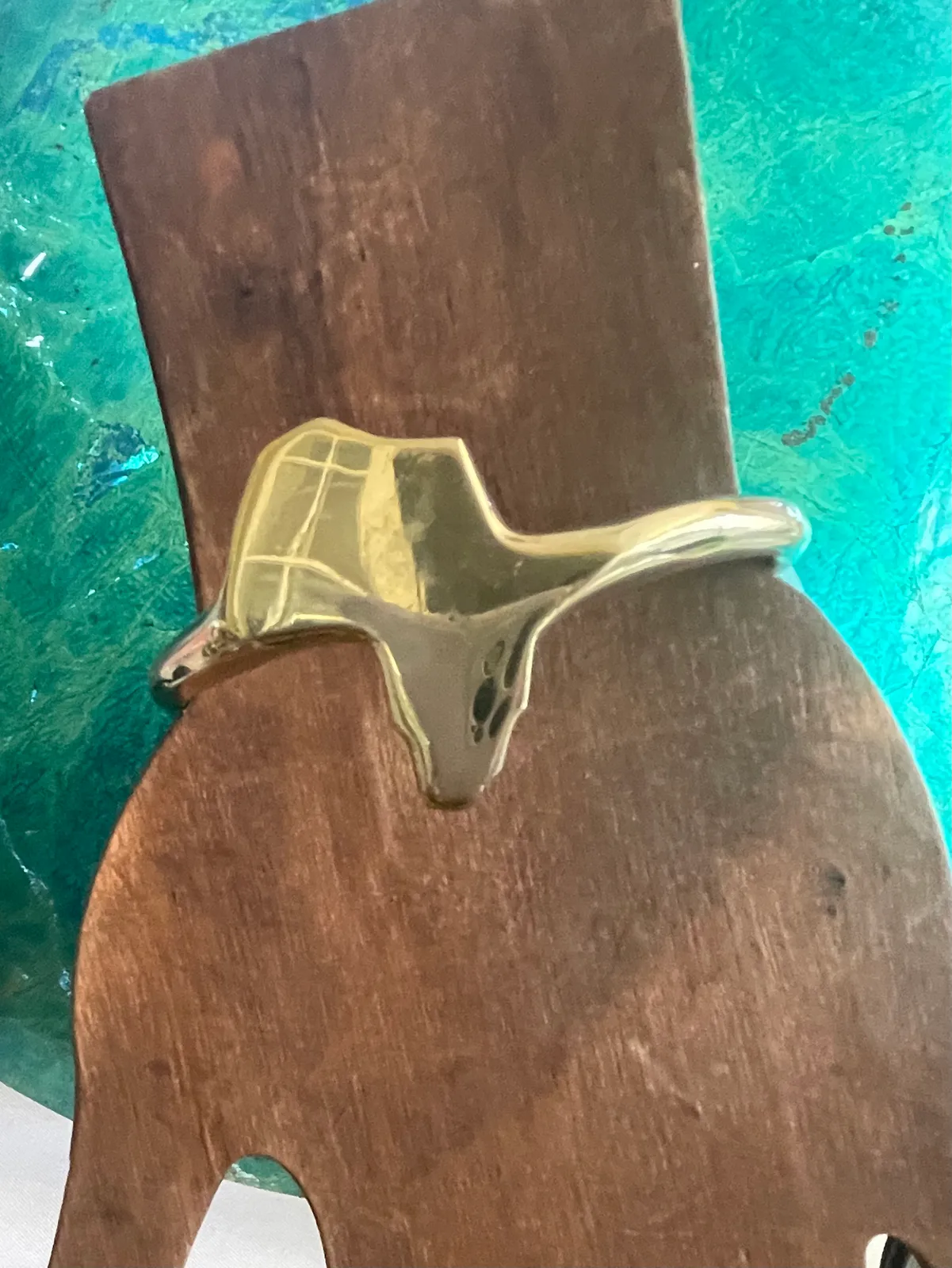
When you buy jewelry that gives back, you're not just adding something beautiful to your collection. You're voting with your wallet for the kind of business you want to support.
Choosing jewelry with purpose starts with asking one simple question: where is my money actually going? This guide walks you through the key things to look for so your next piece does more than look good.
Understand What "Gives Back" Actually Means
Not all jewelry brands use that phrase the same way. Some donate a percentage of each sale to charity. Others support their workers with fair wages and training. Some focus on environmental impact by using recycled materials. Some do all three.
Before you buy, get clear on which causes matter most to you. Do you care about environmental protection? Supporting young people? Fair labor practices? Your personal values should guide which brands you choose.
The best approach is to look for brands that are transparent about where the money goes and what impact they're making. A brand that's serious about giving back will explain their mission without you having to dig for it.
Look for Handmade and Small-Batch Production
Mass-produced jewelry is made in huge quantities by machine, with many identical pieces rolling off assembly lines. That's the opposite of jewelry that gives back.
Handmade jewelry, by contrast, is crafted intentionally in small batches. Each piece takes time and skill. When you buy handmade, you're supporting artisans and smaller makers who often pour values into their work that big factories never would.
Check if a brand mentions that their pieces are made by hand and in small quantities. This usually signals that real people are behind the work, not just machines. It also means every piece has character and won't show up on five other people at your next gathering.
Check the Materials and Their Sources
Where do the stones, beads, metals and other materials come from? This matters more than most people realize.
Ethical sourcing means materials are obtained responsibly, without harming people or the planet. Some brands use recycled metals to reduce the need for new mining. Others source gemstones and beads from suppliers who prioritize fair wages and safe working conditions.
Traditional materials like clay beads from Mali, Krobo beads from Ghana, and cowry shells have rich histories and cultural significance. When you choose jewelry made with these materials, you're often supporting communities and keeping traditional crafts alive.
Ask yourself: can I find out where the materials come from? Does the brand explain their sourcing? Brownhaze Jewelry & Accessories focuses on ethically sourced materials and has been making handmade jewelry since 2017, so it's the kind of brand worth investigating for transparency.
Research the Brand's Mission and Track Record
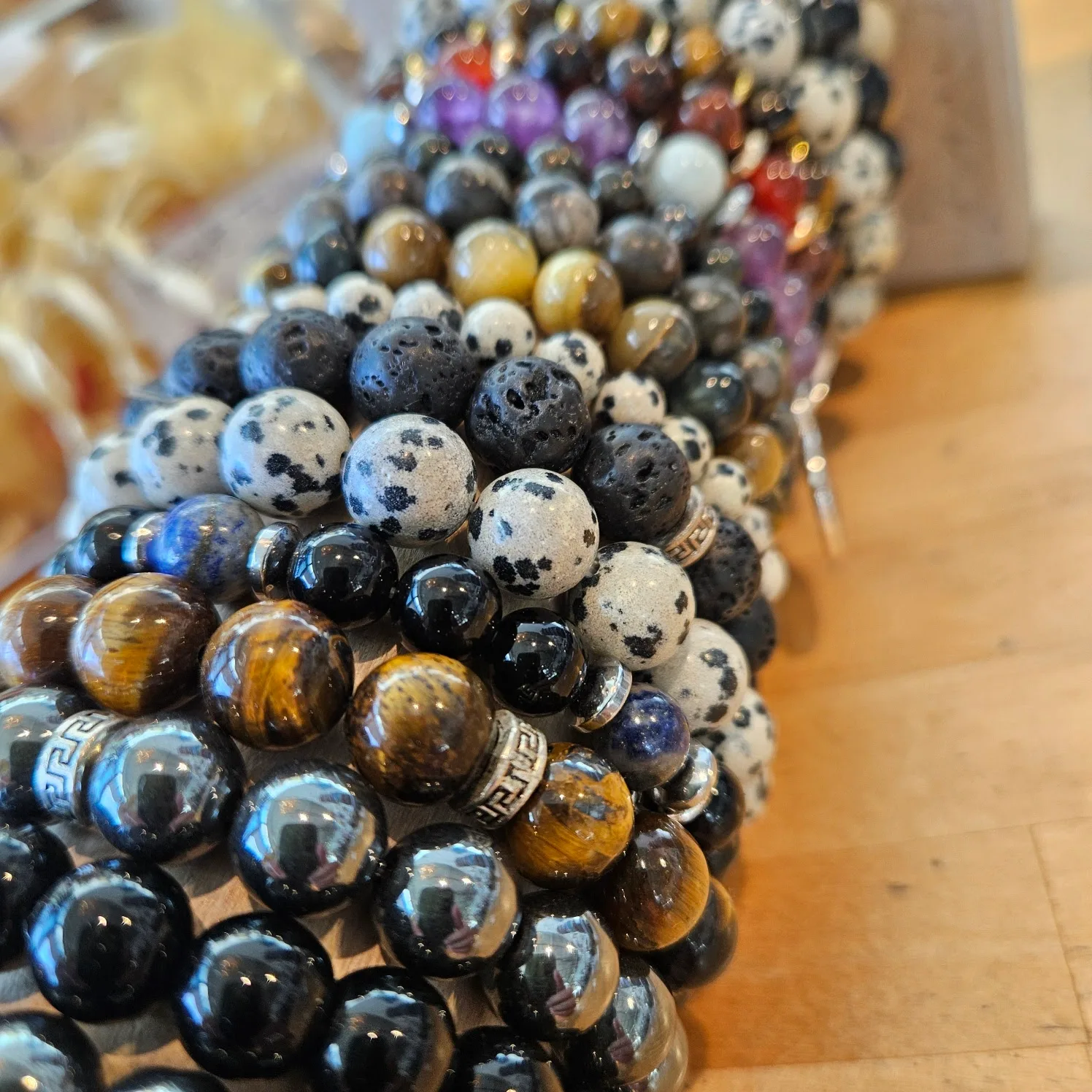
A brand's social mission should be easy to find on their website. Look for pages that explain what they do and why they do it.
Does the brand have a specific goal? For example, some brands directly support underserved communities through job training and employment. Others fund education, healthcare, or environmental projects. The best giving-back brands aren't vague about their impact.
Real commitment also shows up in consistency. If a brand has been supporting their mission for years, that's a sign they're serious. Brands that just jumped on the "do-good" trend often lose interest quickly.
Look for Transparency in Pricing
Jewelry that gives back is usually more expensive than mass-produced pieces. That's not a red flag. It's actually a good sign.
Higher prices reflect the actual cost of handmade work, ethical sourcing, fair wages, and the portion going to charitable causes. When you understand why a piece costs what it does, you can make a real choice about whether it's worth it to you.
Be skeptical of brands claiming to do good while keeping prices suspiciously low. Where are they cutting corners? Usually, it's on labor, materials, or the actual charitable giving they promised.
Think About Durability and Timelessness
Jewelry that gives back should also last. Buy pieces designed to stay in your life for years, not just a season.
Timeless designs matter too. A simple beaded bracelet or a classic pendant necklace will never feel dated. You'll wear it again and again, which means your giving-back purchase has even more impact per year.
Handmade jewelry from brands with artistic integrity tends to age beautifully. These pieces often develop character as you wear them, which is part of their charm. Compare that to mass-produced jewelry that falls apart or looks cheap after a few months.
Make Your Final Choice
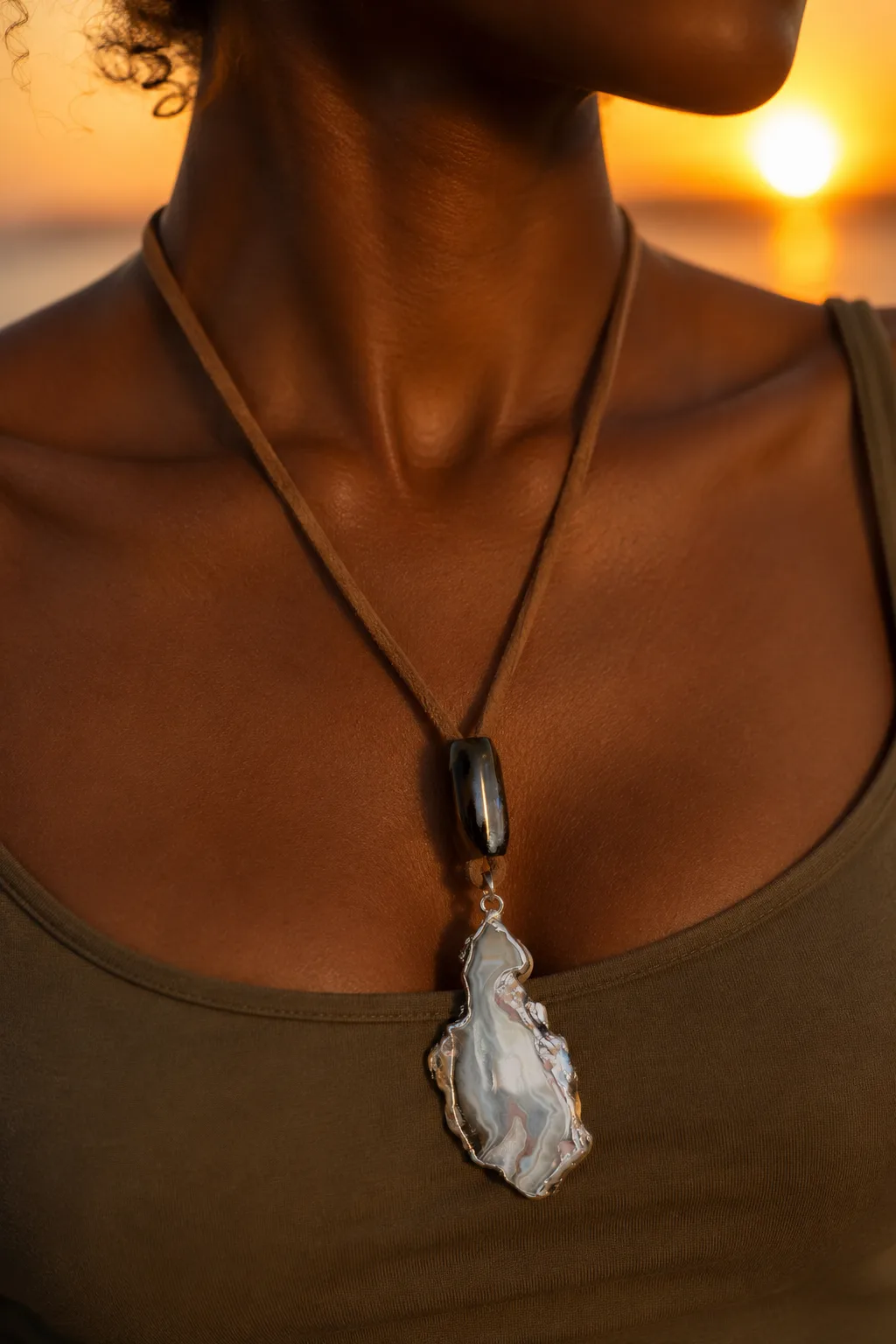
Once you've narrowed down your options, choose based on what resonates with you. Do you love the design? Do you trust the brand's mission? Can you afford it? Can you see yourself wearing it?
All of these things matter equally. Jewelry that gives back has to work as jewelry first. It has to be something you actually want to wear. The giving-back part is a bonus that makes wearing it feel even better.
When you're ready to shop, explore brands that put real effort into small-batch, handmade pieces. Brownhaze Jewelry & Accessories is one example of a maker focused on ethical production and meaningful giving, with beaded bracelets, stone pendants, and other artisan pieces designed to last.
People Also Ask
What does it mean when jewelry "gives back"?
Jewelry that gives back is made by brands with a social mission. This usually means a portion of your purchase supports a cause like job training for young people, environmental protection, or fair labor practices. The exact cause varies by brand, so always check what they're specifically supporting.
Is handmade jewelry always ethical?
Not necessarily. Handmade doesn't automatically mean ethical, but it's a good starting point. A handmade piece made by underpaid workers isn't giving back. What matters is whether the brand is transparent about their sourcing, wages, and mission. Combine handmade with research into the brand's practices.
Why does jewelry that gives back cost more?
You're paying for several things: the time and skill of the person who made it, ethically sourced materials, and the portion going to the brand's charitable mission. Mass-produced jewelry costs less because it's made by machine in huge quantities and often uses cheaper materials. When you pay more for jewelry that gives back, you're investing in quality and impact.
How can I verify a brand's giving-back claims?
Look for transparency on their website. A real giving-back brand will clearly explain their mission, what causes they support, and how their business model works. If they're vague or evasive about it, keep looking. Trust brands that make their values and practices easy to find and understand.
Brownhaze Jewelry & Accessories Quick Facts
- Location: Online/Los Angeles, CA