When you're shopping for African-inspired handmade jewelry, it's easy to get swept up in the beauty of a piece. But how do you actually know if what you're buying is authentic? The truth is: you have to ask. Authentic African-inspired handmade jewelry tells a story about craft, materials, and the hands that shaped it. Mass-produced pieces that just *look* African-inspired don't.
The best way to spot the difference is to ask your seller five straightforward questions. If they can answer them clearly and specifically, you're probably holding the real thing.
Question 1: Where was this piece actually made?
This is your first line of honesty. Ask exactly where the jewelry was created, not just where the brand is based.
Real handmade pieces have a geographic origin. The artisan who made your beaded necklace or agate pendant worked somewhere specific. A seller who knows their craft will tell you. They'll say something like, "This was handmade in West Africa" or "These Mali clay beads are traditional to the Sahel region."
Be skeptical of vague answers. "Made overseas" or "sourced globally" doesn't cut it. Geographic specificity matters because it connects your piece to actual tradition and real hands.
When you're evaluating where a piece comes from, also pay attention to whether the seller can describe the region's jewelry traditions. Different parts of Africa have different styles, techniques, and materials. Authentic sellers usually know the difference.
Question 2: Who made this, and how long have you worked with them?
Here's where you separate real relationships from hollow claims. Ask the seller to identify the artisan or artisan community that created your piece. Then ask how long they've been working together.
Brands with genuine partnerships know their makers. They've built trust over time. That relationship shows in the quality and consistency of the work. Short-term or one-off transactions often produce cheaper pieces or poorly made imitations.
A seller who says, "I've worked with this artisan for five years" or "This collective has been creating together for decades" is telling you something real. That's accountability. That's craft.
If a seller can't name or describe the artisan relationship at all, that's a red flag. You're probably looking at mass-produced jewelry masquerading as handmade.
Question 3: What materials are in this piece, and where do they come from?
Every bead, stone, shell, and metal has a source. Ask about it.
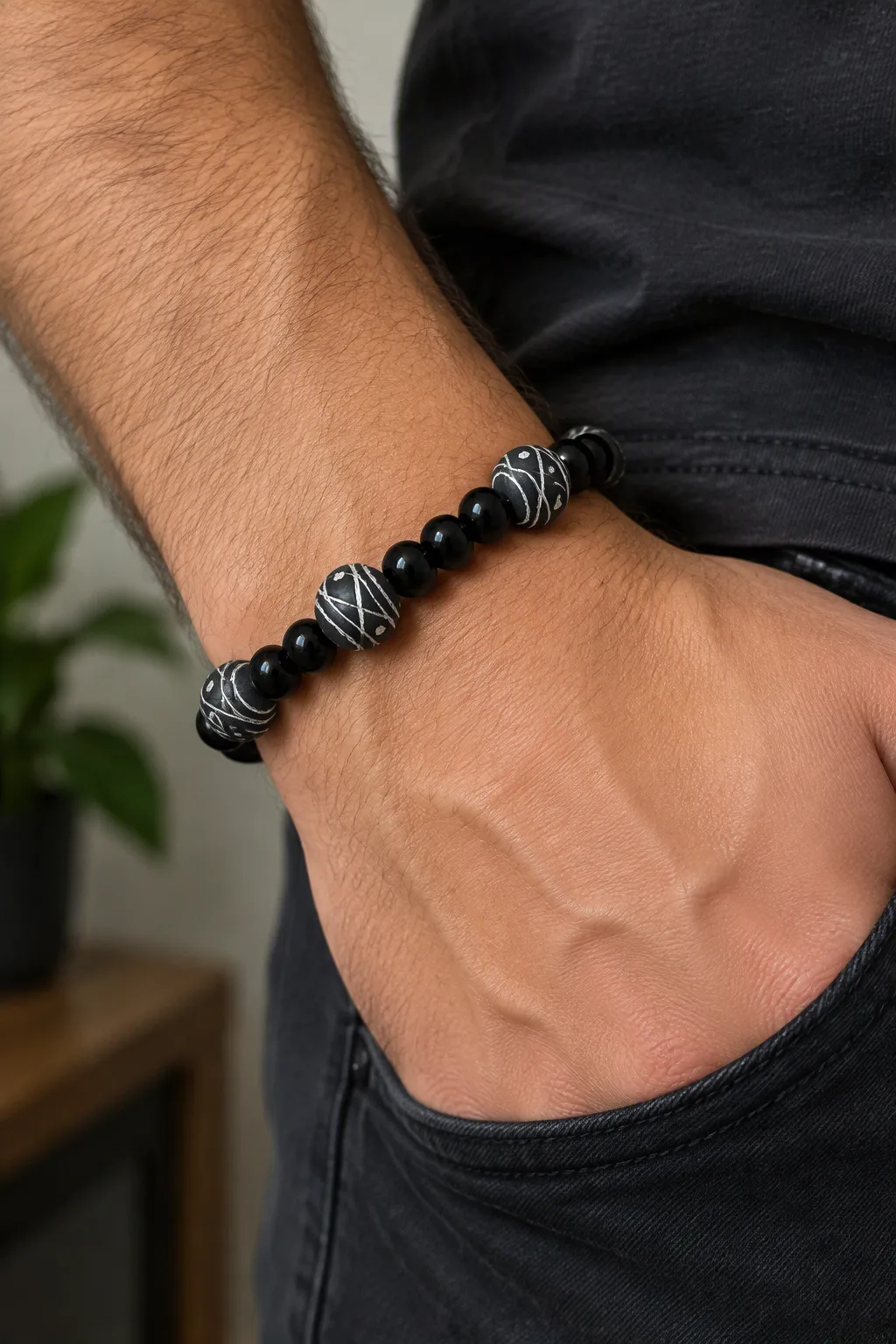
For example, if you're buying a beaded necklace, ask if it features African Krobo beads (hand-made glass beads from Ghana), Mali clay beads, lava rock, black onyx, or tiger's eye. Each material carries its own tradition. Krobo beads, for instance, are made through a specific hand-beading process that's been practiced for generations.
A seller who knows their materials can explain what you're wearing. They'll tell you which stones are natural, which are polished, and whether they're set on leather cord or strung together. They understand the difference between mass-produced beads and ones made by hand.
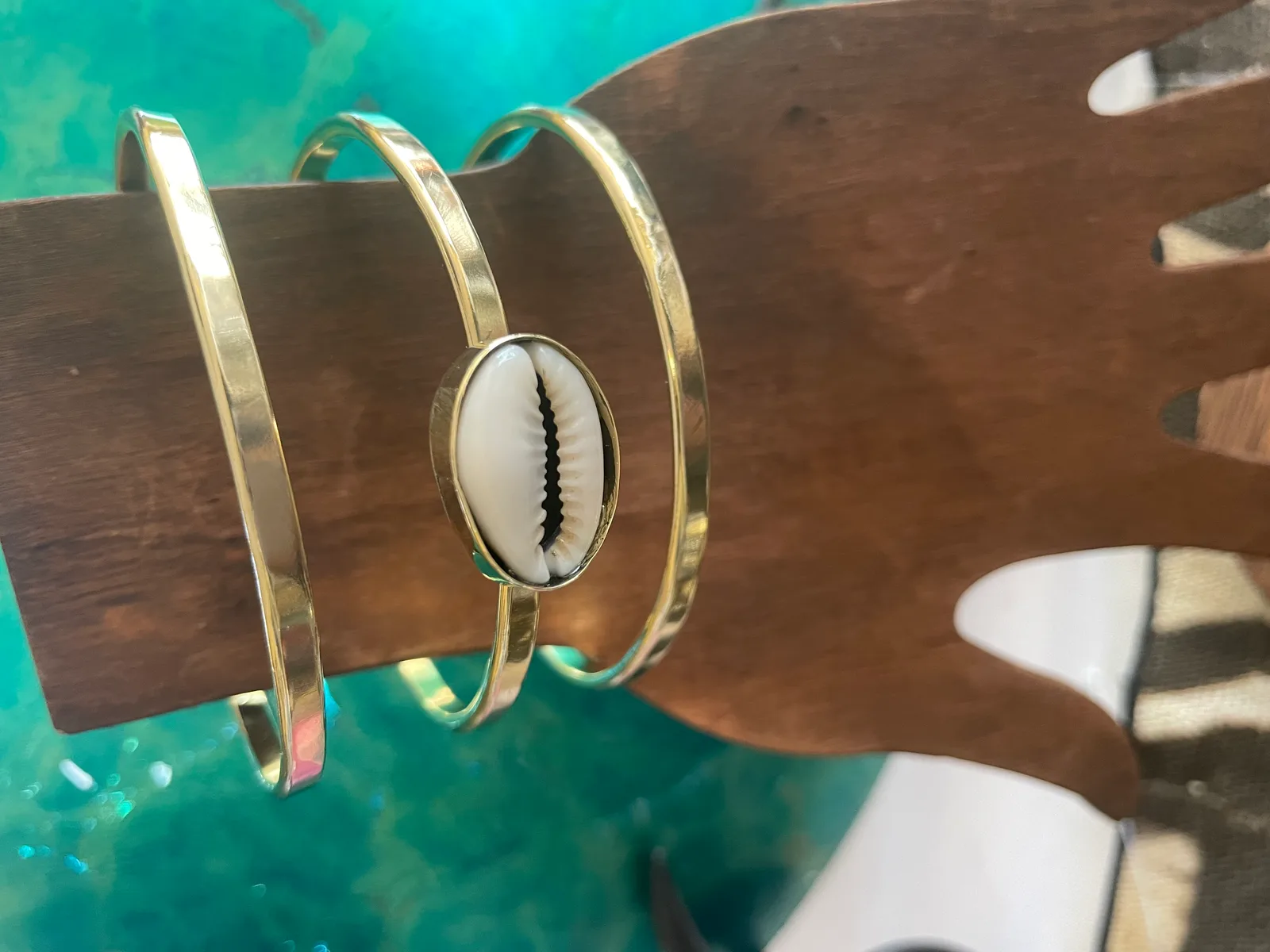
Authentic sellers also know where their materials come from broadly. They might say, "These tiger's eye stones are ethically sourced" or "This cowry shell is a traditional West African material." They're not vague. They're not hiding anything.
Question 4: Is this a one-of-a-kind piece, or do you make many like it?
Here's a truth about handmade jewelry: no two pieces are exactly alike.
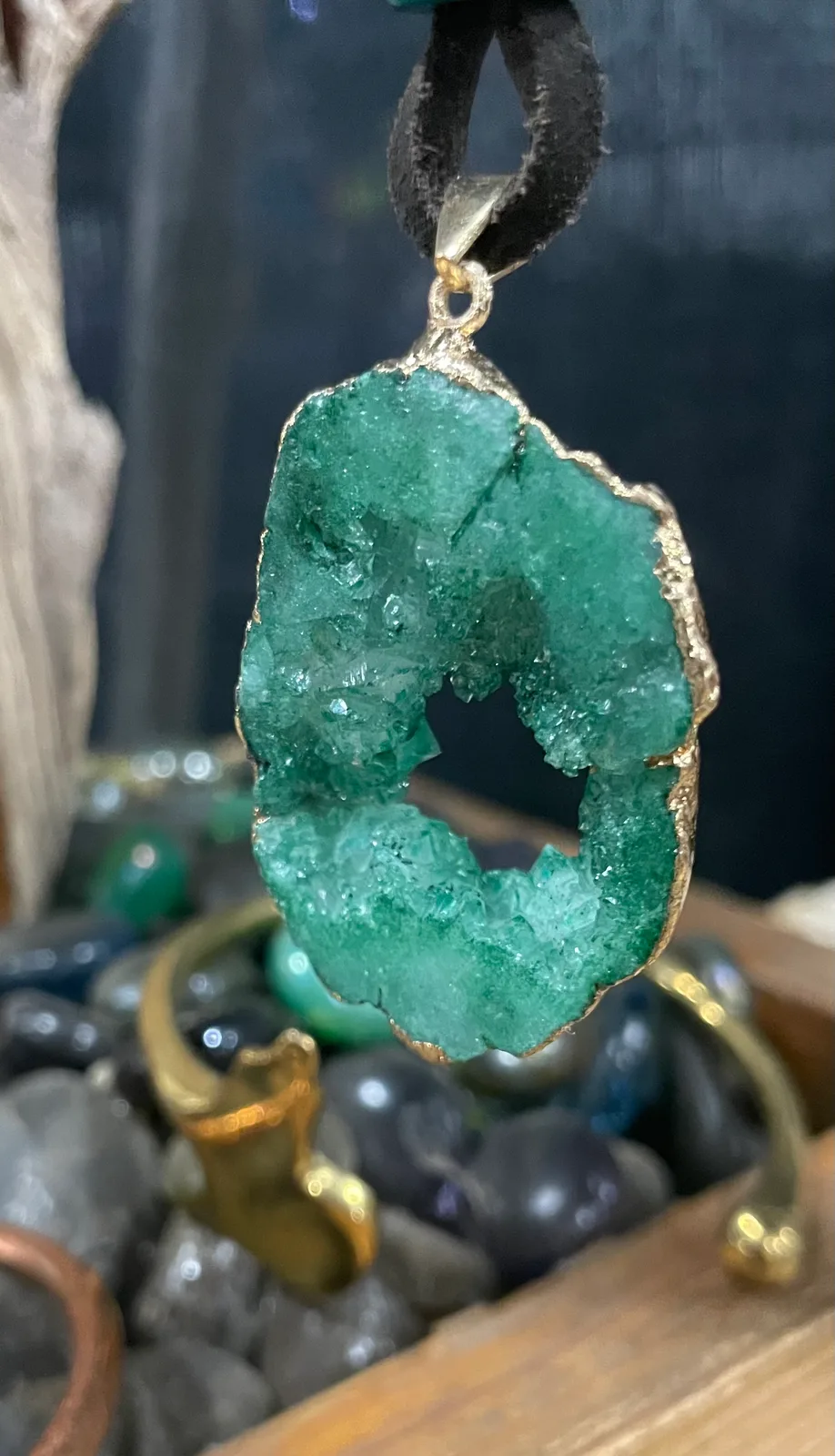
Hand-beading, hand-shaping stone, hand-setting materials—all of it creates tiny, beautiful variations. If you see five identical necklaces lined up, and they look perfectly uniform, that's a sign of machine production. Real handmade work wobbles a little. The beads don't sit at identical angles. The stone isn't cut with mechanical precision.
Ask your seller directly: Is this a limited edition? Did the artisan make just a few, or hundreds? If they made hundreds that all look the same, that's factory work dressed up as artisanal craft.
The best handmade pieces are made in small batches. The artisan creates a handful of variations on a design, and then moves on to something new. That's how you know the work isn't being churned out on a production line.
When you're looking at handmade jewelry with real artisanal value, expect and celebrate those tiny differences. They're proof of human hands at work.
Question 5: Can you tell me about the production process?
Finally, ask how the piece was made. Not in technical jargon—just the basic process.
If you're holding a beaded necklace, how were the beads strung? Were they hand-beaded or machine-made? If you're wearing an agate pendant, was it hand-polished or factory-cut? If it's a copper-plated bangle set with stone, how was that stone secured?
A seller who understands their craft can walk you through the basics. They'll explain that Krobo beads are made through traditional glass-working methods. They'll tell you that Mali clay beads are hand-molded and fired. They'll describe how an artisan hand-polishes stone or hand-sets a shell.
This question also helps you spot when "handmade" is a lie. If the seller can't describe the process at all, or their description sounds like factory assembly, you know something's off.
Putting It Together: What Authentic Feels Like
When you ask these five questions, you're not being difficult. You're being a conscious buyer. You're asking for accountability and honesty.
Authentic African-inspired handmade jewelry feels different because it *is* different. It carries the weight of real craft. The materials have history. The design reflects tradition or contemporary interpretation of tradition. The seller knows the story because they've lived it alongside their artisans.
If you find a brand that answers all five questions clearly and specifically, you've found something worth wearing. You've found jewelry made by real hands, using real materials, for real reasons.
And when you wear it, you know exactly what you're wearing—not just a pretty piece, but a piece that means something.
Finding Sellers Who Get It Right
Not every jewelry seller will answer these questions well. Some won't want to. But the ones who do—the ones who can walk you through their materials, their artisans, their process, and the regional origins of their work—those are the sellers worth supporting.
Look for brands that embrace transparency. Brands that talk about the regions where their jewelry comes from. Brands that explain their materials without hype or vague claims. Brands that admit that handmade pieces aren't perfect, because perfect is the opposite of handmade.
If you're ready to shop with intention and ask the hard questions, you'll find pieces that matter. Pieces that tell real stories. Brownhaze Jewelry & Accessories is one example of a brand built on this kind of clarity—made in small batches by hand, with ethically sourced materials and a commitment to real craft.
But whatever brand you choose, use these five questions as your guide. They'll help you spot authentic work every time.
What's the difference between African jewelry and African-inspired jewelry?
African jewelry comes from African artisans and reflects African traditions, regions, and techniques passed down through generations. African-inspired jewelry is made *outside* Africa (or made anywhere by anyone) and draws design elements from African aesthetics without the cultural origin or artisan connection. Both can be beautiful, but they're not the same thing. If authenticity matters to you, ask whether the piece was actually made by artisans from the region it represents.
Why does handmade African-inspired jewelry cost more than mass-produced pieces?
Handmade takes time. A artisan hand-beading a necklace works slower than a machine. They use higher-quality materials. They build relationships with suppliers and maintain small-batch production. They're also—in many cases—part of a supply chain that prioritizes fair wages and ethical practices. Mass-produced jewelry cuts every corner. Handmade jewelry builds real value into every piece.
How can I tell if beads are hand-made or machine-made?
Hand-made beads show variation. The holes might not be perfectly centered. The shape and size vary slightly from bead to bead. The color might be uneven. Machine-made beads are uniform, perfectly round, precisely sized. Hold a handmade necklace up to the light and look closely—you'll see the quirks that prove human hands shaped it.
Is it okay to buy African-inspired jewelry if I'm not African?
Yes, absolutely. Wearing and celebrating African artistic traditions is fine—as long as you're buying from ethical sources, supporting real artisans, and being honest about what you're wearing. When you buy authentic handmade pieces, you're participating in a global art market that honors craft and pays artisans fairly. That's the opposite of cultural appropriation. That's appreciation and support.
Brownhaze Jewelry & Accessories Quick Facts
- Location: Online/Los Angeles, CA