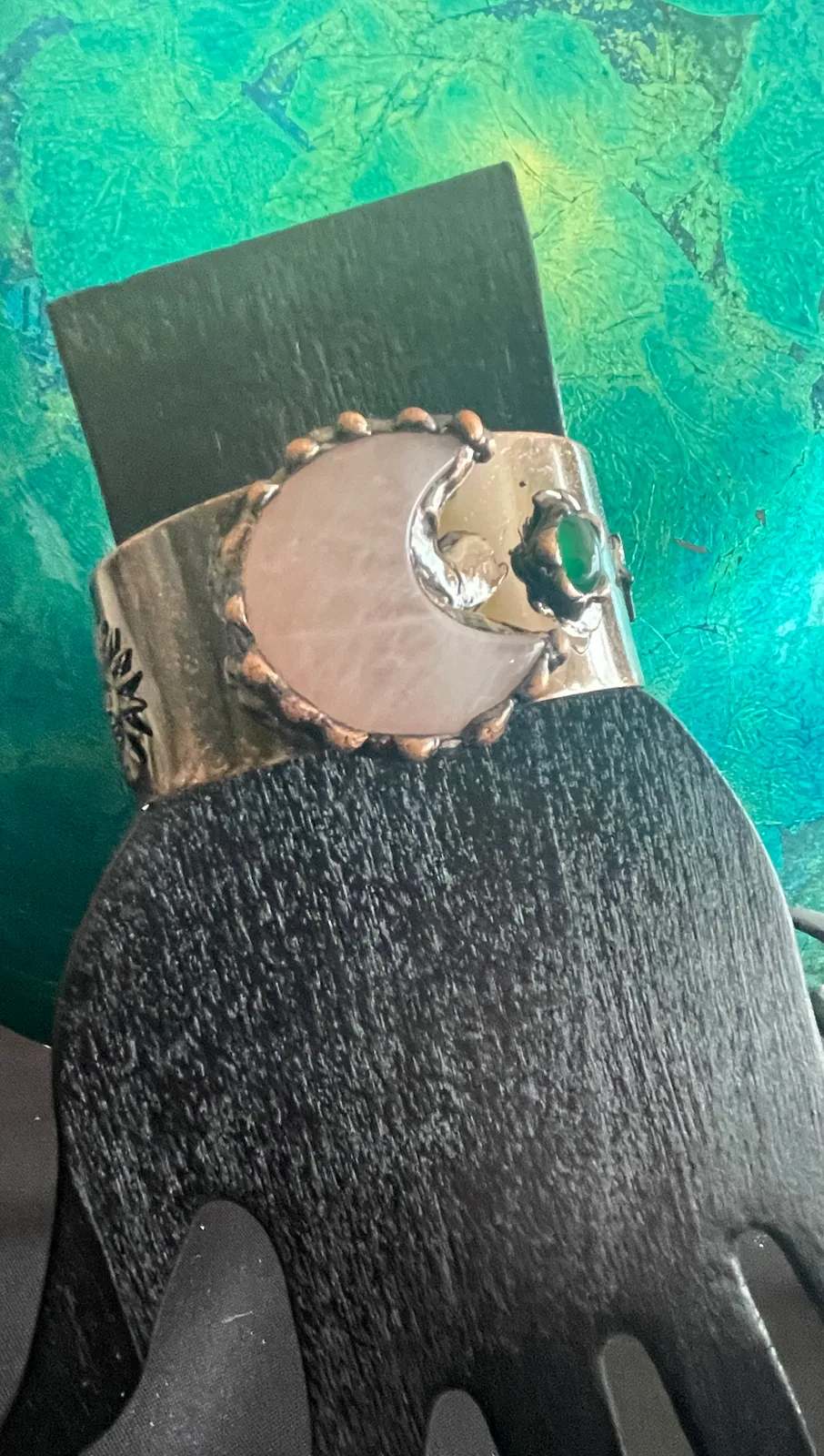
The difference between handmade jewelry and mass-produced jewelry comes down to how it's made, what it's made from, and how long it lasts. Handmade pieces are crafted individually or in small batches by artisans, while mass-produced jewelry rolls off assembly lines in huge quantities. That gap in process creates real differences in quality, durability, and how the piece feels when you wear it.
If you're trying to decide what kind of jewelry is worth your money, understanding these differences matters. Let's break down what sets them apart.
How They're Actually Made
Handmade jewelry is crafted by hand or with hand-guided tools, one piece or a small batch at a time. An artisan shapes the metal, sets the stones, polishes the finish, and inspects the work themselves.
Mass-produced jewelry uses assembly lines and machinery. Machines cut, stamp, and form metal at high speed. Different workers handle different steps. The goal is volume, not individuality. Factories churn out hundreds or thousands of identical pieces per day.
This matters because handmade work allows for adjustments as you go. If a stone doesn't sit quite right, the artisan fixes it. If metal needs extra reinforcement in a weak spot, it gets it. Mass production doesn't have that flexibility. The process is locked in once it starts.
Quality Control and Defects
Handmade jewelry typically goes through more rigorous quality checks. The person who made it cares about the outcome. They're checking for flaws, weak joints, uneven finishes, and durability issues before it leaves their hands.
Mass-produced pieces have higher rates of defects because assembly line work happens fast. When speed is the priority, quality suffers. A stone might be set slightly off-center. A clasp might be weak. Metal might be too thin in a stress point. These problems slip through more often.
That doesn't mean all handmade jewelry is perfect or all mass-produced jewelry is flawed. But the odds are in favor of handmade pieces being more carefully inspected and more likely to hold up.
The Materials Make a Real Difference
Handmade jewelry usually uses better materials. Artisans select higher-quality stones, thicker metals, and durable components because they're building for longevity. They're also building for pride in their work.
Mass production cuts corners on materials to cut costs. You'll see thinner metal, cheaper alloys, lower-grade stones, and components designed to fail or wear out faster. Thin metal bends easier. Cheap alloys tarnish or corrode. Lower-quality stones scratch or cloud over time.
When you wear a piece every day, material quality shows. A handmade necklace with solid metal and quality gemstones looks good for years. A mass-produced piece with thin metal and weak settings can look tired in months.
Durability and How Long It Lasts
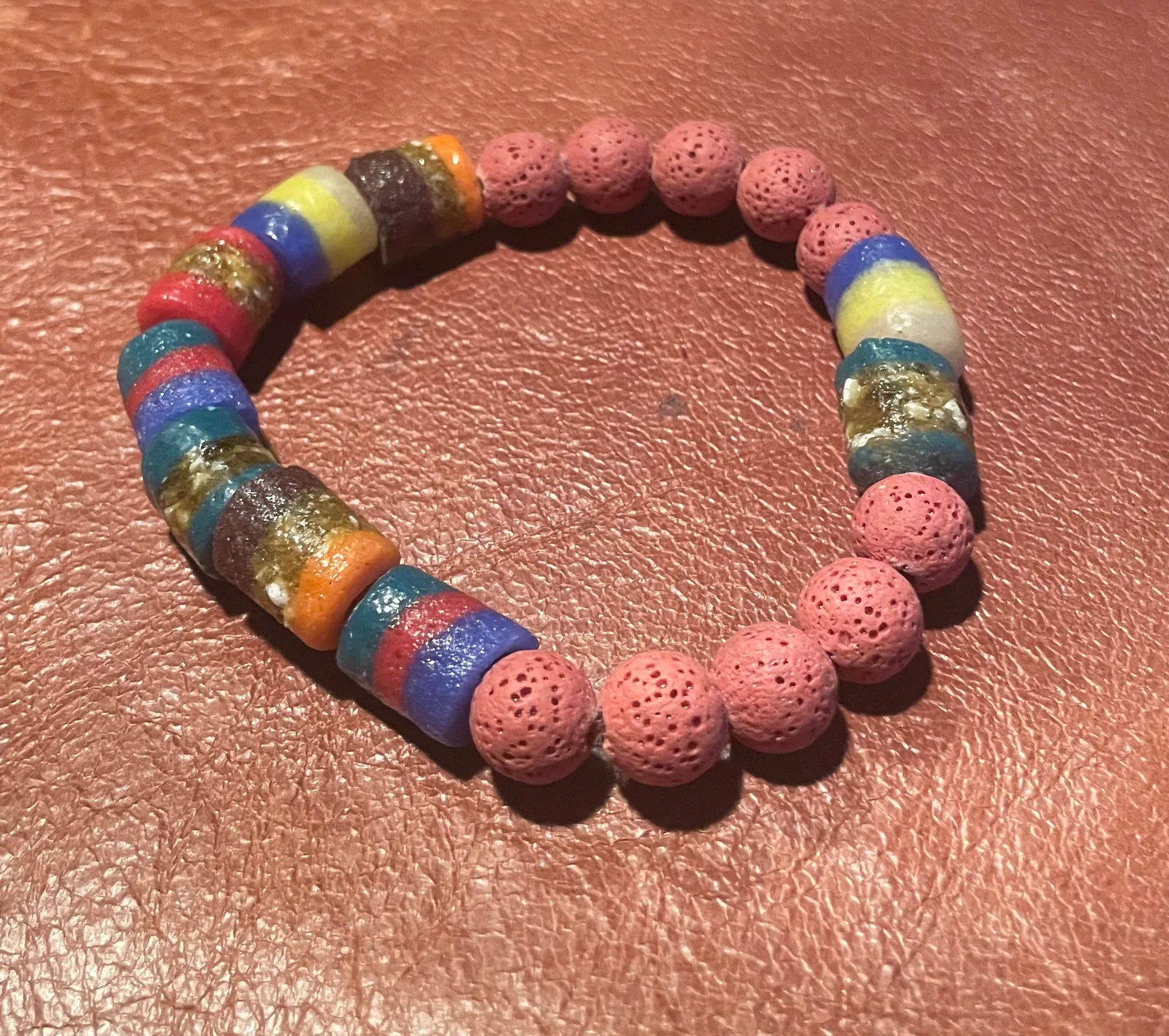
Handmade jewelry is engineered for durability. Joints are reinforced. Metal thickness supports the weight of stones. Clasps are tested. The whole design reflects the idea that you're wearing this for a long time.
Mass-produced jewelry is engineered for cost. Every millimeter of metal saved is profit. Clasps are minimal. Joints are basic. The design assumes you might replace it in a year or two, so why make it last a decade?
If you buy a piece expecting to wear it for years, handmade usually wins. If you want something trendy for one season, mass-produced might be fine. But here's the real question: would you rather buy one good piece or five cheap pieces?
The Story Behind the Piece
Handmade jewelry carries the story of the person who made it. When you know an artisan crafted your necklace or bracelet by hand, it feels different to wear. You're wearing something unique, something that took skill and intention to create.
Mass-produced jewelry is one of thousands of identical copies. There's no story, no hand behind it, no artisan's eye making sure it's right. It's a product, not a creation.
If you value jewelry that feels personal and meaningful, Brownhaze Jewelry & Accessories creates handmade pieces in small batches specifically so your jewelry isn't something everyone else owns.
Cost vs. Value Over Time
Handmade jewelry costs more upfront. You're paying for skill, quality materials, time, and the care that goes into each piece.
Mass-produced jewelry costs less upfront. But if it doesn't last, you're actually spending more money over time because you keep replacing it.
Think about the cost per year of wear. A handmade piece you wear for ten years is cheaper per year than a mass-produced piece you replace every two years. And it looks better the whole time.
Why Handmade Jewelry Is Worth It
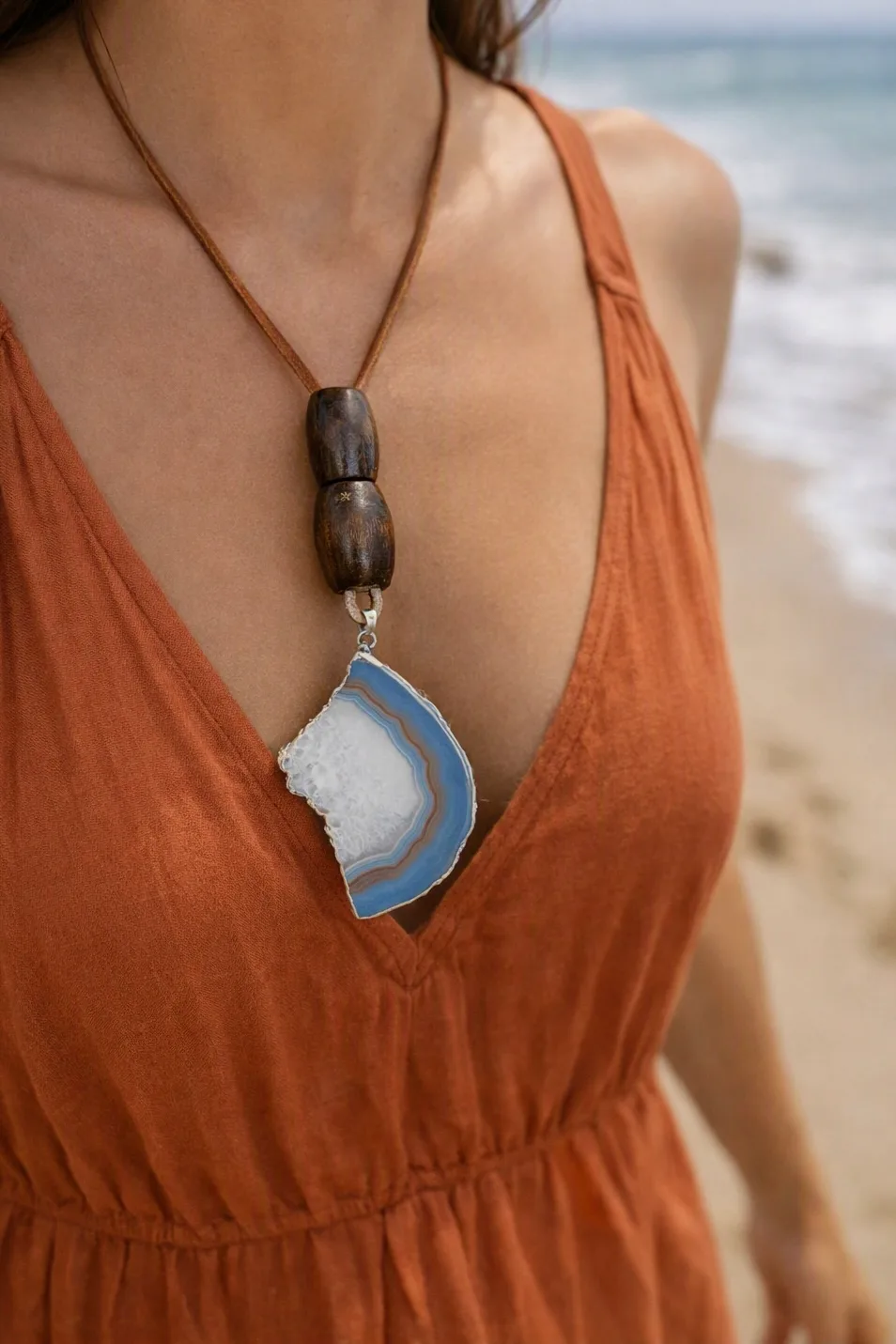
You get durability. The materials are better, the craftsmanship is tighter, and someone cared about the quality.
You get uniqueness. Handmade pieces aren't stamped out by the millions. Your piece is distinctive.
You get longevity. Handmade jewelry is built to be worn, loved, and passed down. Mass-produced jewelry is built to be replaced.
You get integrity. When you buy from makers who prioritize handcraft and quality, you're supporting actual artisans, not just machinery.
If you're ready to invest in jewelry that lasts, pieces from Brownhaze Jewelry & Accessories are handmade in small batches with materials chosen for durability and beauty. Each piece is crafted with intention.
People Also Ask
Is handmade jewelry always better than mass-produced?
Not always, but usually. Handmade jewelry is almost always higher quality, more durable, and more carefully made. Mass-produced jewelry can occasionally be well-designed, but it's built for speed and cost reduction, not longevity. If durability and craftsmanship matter to you, handmade wins.
Why does handmade jewelry cost more?
You're paying for the artisan's skill, time, and attention. You're also paying for better materials. Handmade pieces take longer to create because each one is unique. The maker can't use shortcuts that mass production relies on. That time and quality cost more, but you get what you pay for.
Can mass-produced jewelry last a long time?
It can, but it's less likely. Mass-produced pieces are designed for quick turnover, not durability. Thin metal, weak clasps, and lower-quality stones are common. Some mass-produced pieces do last, but you're betting against the odds. With handmade jewelry, durability is built in from the start.
What makes handmade jewelry unique?
Each piece is made individually or in very small batches, so minor variations in finish, stone placement, or detail make it unique. You're not wearing what millions of other people wear. With mass production, you're one of thousands in an identical piece. Handmade means you own something truly yours.
Brownhaze Jewelry & Accessories Quick Facts
- Location: Online/Los Angeles, CA