African jewelry is so much more than an accessory. It's wearable art that carries history, craftsmanship, and cultural meaning. Whether you're drawn to bold statement pieces or subtle everyday wear, understanding what makes African jewelry special helps you choose pieces that resonate with you.
What Makes African Jewelry Unique
African jewelry stands apart because it's rooted in tradition. Each region of Africa has its own design language, materials, and techniques passed down through generations. You'll find pieces that reflect everything from ceremonial wear to everyday adornment, and many of them are made by hand using methods that have stayed largely the same for centuries.
The designs are bold and intentional. African jewelry doesn't whisper—it speaks. You'll see geometric patterns, symbolic shapes, and color combinations that tell stories about identity, status, and belonging. When you wear these pieces, you're making a statement about who you are.
Common Materials in African Jewelry
African artisans work with a wide range of materials, and each one has its own character and history.
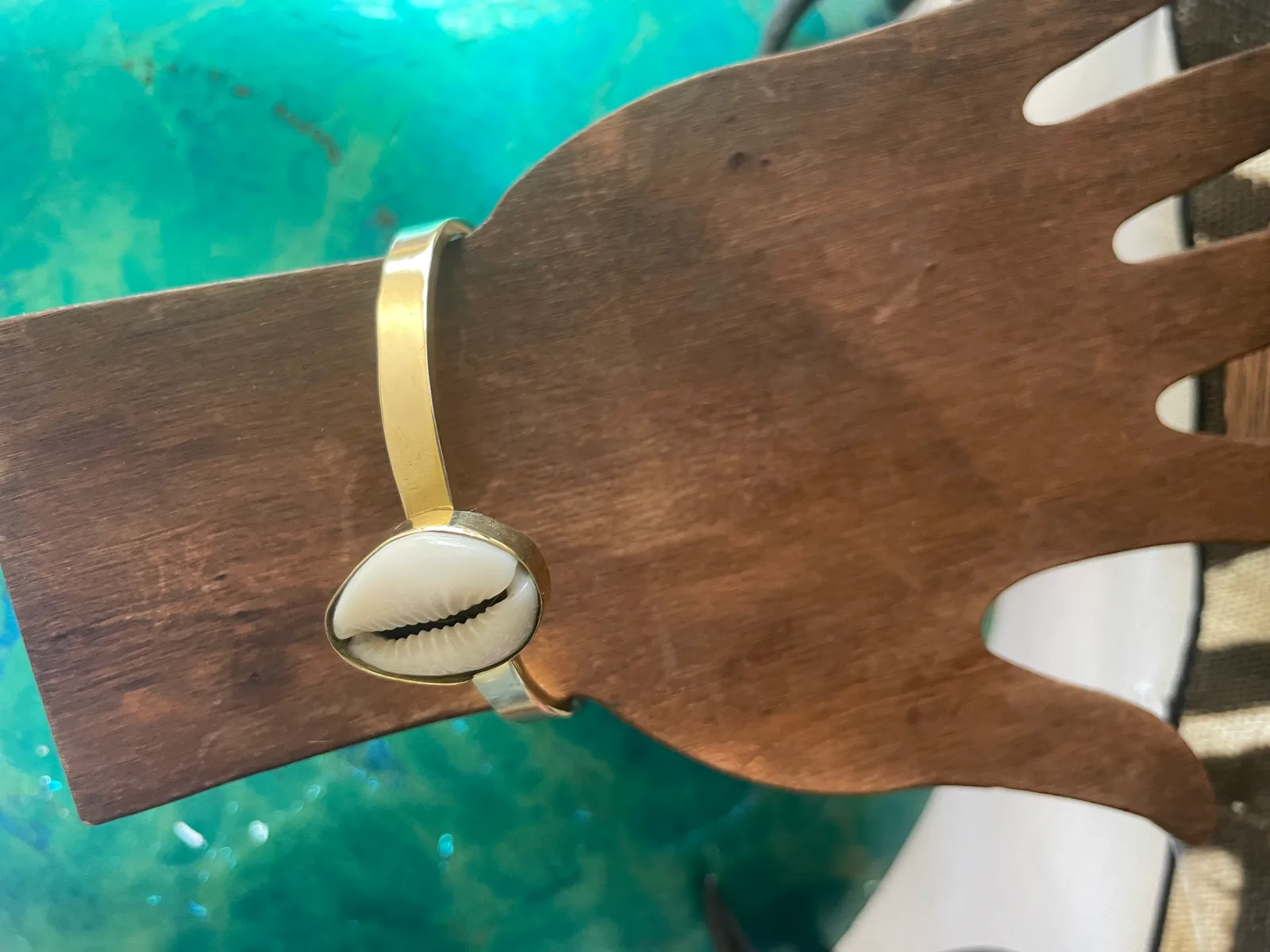
- Brass: One of the most traditional materials, brass has been used in African jewelry for centuries. It's durable, develops a beautiful patina over time, and can be shaped into intricate designs. You'll see brass in everything from delicate rings to bold cuff bangles.
- Bone: Often carved and polished, bone is a traditional material that's lightweight and warm to wear. It's been used in African jewelry for generations and pairs beautifully with other materials.
- Clay beads: Hand-formed from clay, these beads come in terracotta and deep earth tones. Mali clay beads, for example, are made using traditional techniques and carry the warmth of the earth in their color and texture.
- Krobo beads: These colorful glass beads are made in Ghana using recycled glass. The process creates jewel-toned beads that catch the light and add vibrancy to any piece.
- Natural stone: Agate, onyx, and lava rock are shaped and polished into beads and pendants. Each stone has its own unique patterns and energy.
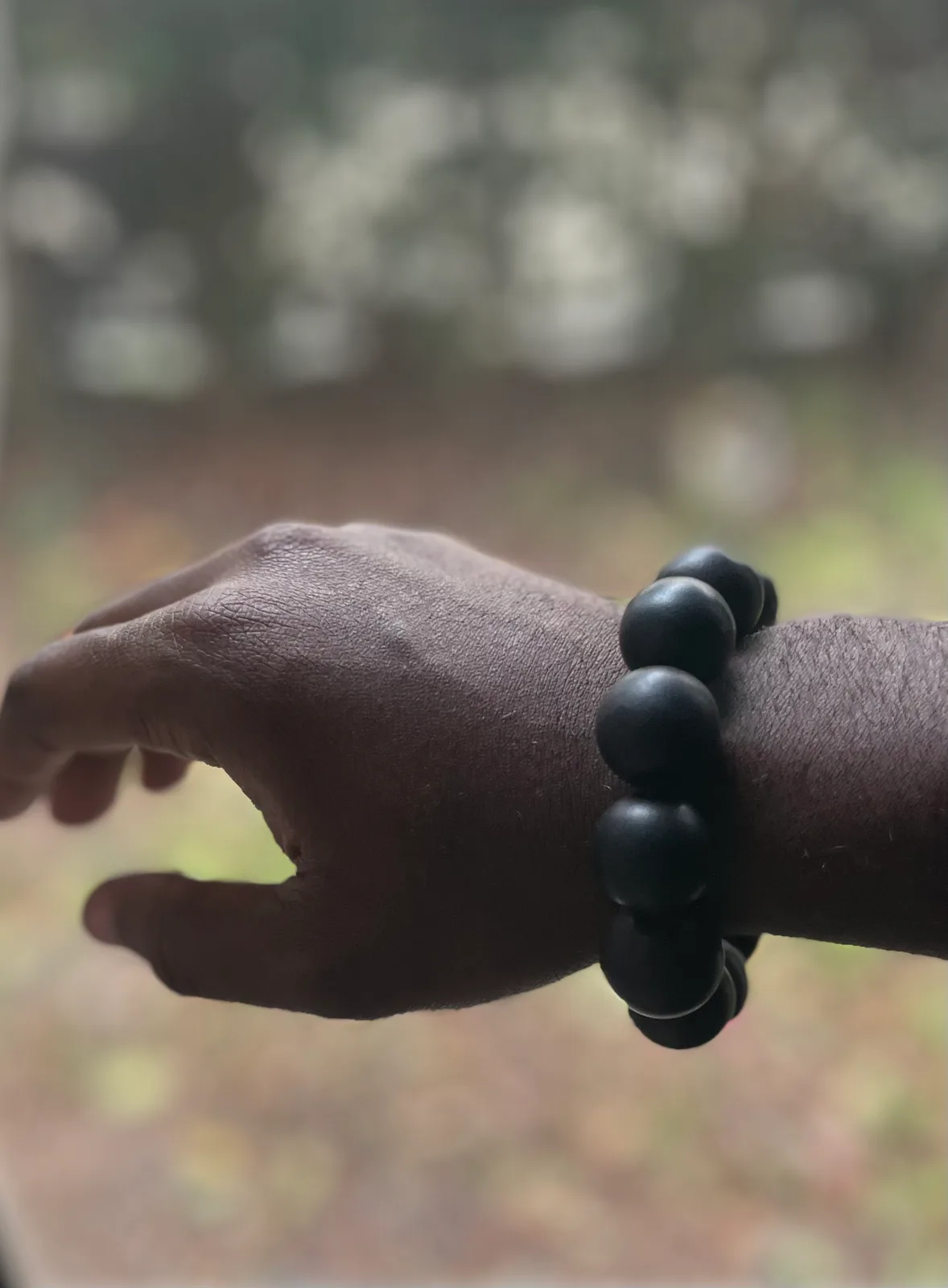
- Wood: Lightweight and warm, wood beads are carved and finished to create texture and depth.
- Cowry shells: A traditional symbol in many African cultures, cowry shells are polished and incorporated into bracelets and other pieces. They're delicate but surprisingly durable.
Popular Styles of African Jewelry
African jewelry comes in many forms, and each style serves a different purpose in your wardrobe.
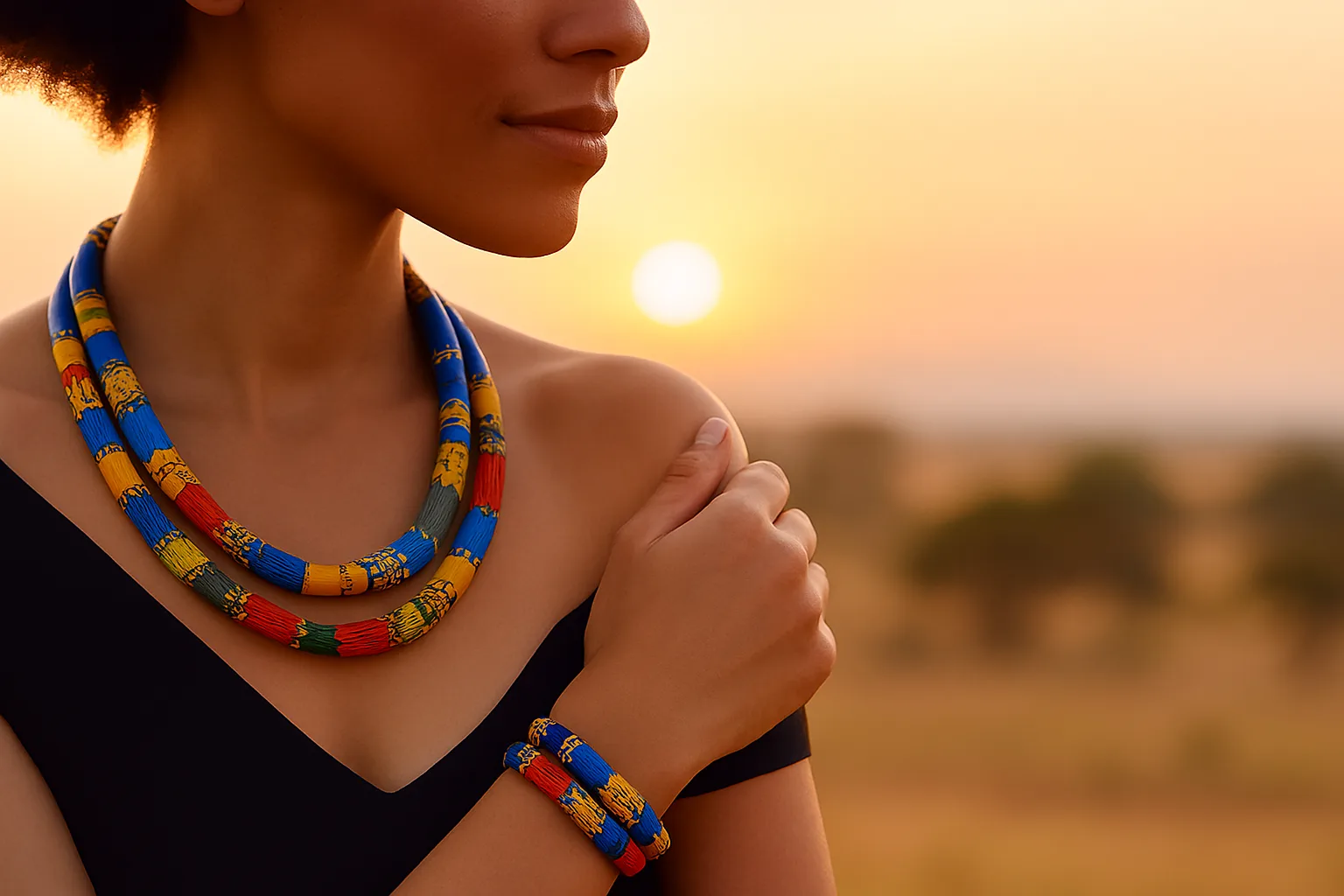
Beaded necklaces and sets: These are often the centerpiece of African jewelry collections. Multi-strand necklace sets layer different beads—think tiger's eye, Krobo beads, and terracotta clay—to create depth and movement. Many come as coordinated sets with matching bracelets, so you can wear them together or mix and match.
Statement bangles: Copper-plated and brass bangles are bold, sculptural pieces that command attention. Some feature inset agate stones; others finish with a blue patina that develops over time. These are the kind of pieces you wear when you want to be noticed.
Pendant necklaces: A single polished or raw agate pendant on a leather cord is a timeless African-inspired choice. It's simpler than beaded sets but just as meaningful.
Layered and mixed pieces: Many people wear African jewelry by layering different necklaces, stacking bracelets, or combining styles. The key is letting each piece breathe while creating a cohesive look.
Why Handmade African Jewelry Matters
When you choose handmade African jewelry, you're making a choice that goes beyond fashion. Handmade pieces are different from mass-produced jewelry in every way that matters. Each one is crafted individually, which means no two pieces are exactly alike. You get texture, variation, and personality that machine-made items simply can't replicate.
Buying handmade also means supporting the people who make these pieces. Brownhaze Jewelry & Accessories works with ethically sourced materials and creates pieces in small batches, which keeps the focus on quality over quantity. When you wear handmade jewelry, you're wearing a piece of someone's skill and intention.
How to Style African Jewelry in Your Everyday Life
African jewelry works with almost any aesthetic, from minimalist to maximalist.
For a bold look: Layer multiple beaded necklaces of different lengths, stack brass or copper bangles on both wrists, and let them be the star. Pair with simple, neutral clothing so your jewelry does the talking.
For everyday wear: A single pendant necklace or a beaded bracelet is subtle enough for work but distinctive enough to show your style. Pair it with jeans and a t-shirt or dress it up with professional pieces.
For special occasions: Go all in. Wear a statement necklace set with matching bracelets, add extra bangles, and let the pieces shine. African jewelry is made for celebration.
Mix and match materials: Don't be afraid to combine wood, stone, clay, and metal in the same outfit. African design celebrates contrast and texture, so layering different materials actually makes your look stronger.
Shopping for Authentic African Jewelry
If you're looking to add African jewelry to your collection, focus on pieces that feel authentic to you. Look for handmade items where you can see the variation in beads, the patina on metal, and the imperfections that prove a human made it. Read the descriptions carefully—they should tell you about the materials and where they come from.
Seek out makers who are intentional about their sourcing and their impact. When you buy from brands that prioritize handcrafted work, you know you're getting pieces made with care, using ethically sourced materials. You'll also know that your purchase supports real people and real communities.
Caring for Your African Jewelry
Handmade pieces deserve thoughtful care so they last for years.
- Store it safely: Keep your jewelry in a dry place away from direct sunlight. A pouch or small box works well for necklaces; bangles can stack in a drawer.
- Clean gently: Use a soft cloth to wipe beads and metal. For brass and copper pieces, a slightly damp cloth removes dust; let them air dry completely.
- Avoid harsh chemicals: Don't soak your pieces or expose them to perfume, lotion, or harsh soaps. These can damage beads and metal finishes.
- Wear it: Handmade jewelry is meant to be worn, not locked away. The more you wear it, the more character it gains. Patina on brass and copper actually looks beautiful as it develops.
Is all African jewelry handmade?
No, but the best pieces are. Handmade African jewelry is created by artisans using traditional techniques, which means each piece is unique and full of character. Mass-produced jewelry tries to copy African designs using machines, but it loses the soul and variation that makes handmade pieces special.
What's the difference between Krobo beads and other African beads?
Krobo beads are glass beads made in Ghana using recycled glass, known for their bright, jewel-like colors. Other African beads include clay beads (hand-formed from terracotta or Mali clay), wood beads, and stone beads. Each type has its own origin, color palette, and feel. Mixing different bead types in one piece is very common in African jewelry design.
Can I wear African jewelry every day?
Absolutely. Handmade African jewelry is durable and designed to be worn. Beaded necklaces, stone bangles, and even brass pieces hold up to daily wear beautifully. The more you wear them, the more they develop character and patina. Just avoid exposing them to harsh chemicals or extreme conditions.
How do I know if African jewelry is ethically made?
Look for transparency about materials and sourcing. Makers who are honest about where their beads, stones, and metals come from are taking ethics seriously. Also, pay attention to whether the brand talks about their impact—whether that's supporting artisans, communities, or sustainable practices. If a maker is proud of their work, they'll tell you about it.
Brownhaze Jewelry & Accessories Quick Facts
- Location: Online/Los Angeles, CA